Crystal Lakes Golf Course – Hole-by-Hole Guide, Tips, Yardages & Strategy
Generate your personalised course strategy guide for all 18 holes at Crystal Lakes Golf Course, Sumter, South Carolina which sits at 173 ft above sea level.
Hole 1
Par 3 • SI 14 • 145yd • Elevation: 173ft
Hole 2
About Crystal Lakes Golf Course
Crystal Lakes Golf Course presents a golf experience that demands thoughtful course management and strategic shot selection. The course is set at 173 ft, so bear that in mind with club selection and yardage calculations throughout your round.
Crystal Lakes Golf Course offers multiple tee sets, each featuring distinct course and slope ratings for men and women. This dual-rating system allows golfers to choose a setup that accurately reflects the challenge level for their playing category.
The below tee-by-tee breakdown gives golfers valuable yardage insights and helps them choose the setup that best matches their game, ensuring a challenge that rewards smart course management, strategic tee decisions, and well-planned landing areas.
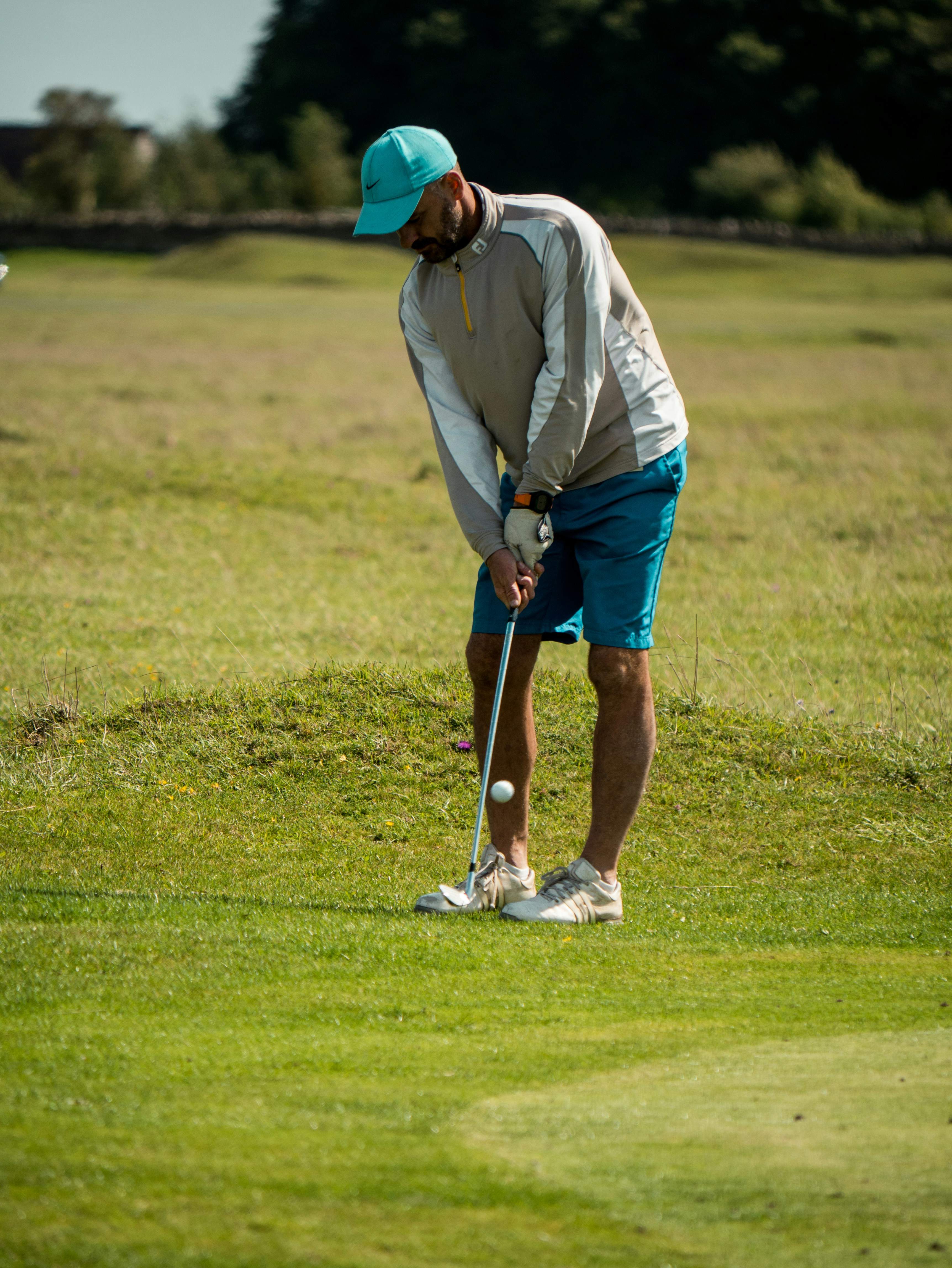

The prevailing wind, which typically comes from the West, adds an important layer of strategy to every round. This consistent wind direction influences club selection, ideal landing areas, and overall ball flight, making it essential for golfers to factor wind into their course management and approach planning. A detailed yardage guide or strategy guide can offer helpful tips for adjusting to these wind conditions.
Crystal Lakes Golf Course features 37 bunkers and 18 water hazards, each positioned to influence both tee strategy and approach play in subtle but meaningful ways. These hazards shape ideal landing areas and reward golfers who plan their shots carefully. Maintaining accurate yardage for each club and understanding how these features affect decision-making is essential for navigating the course efficiently and minimizing mistakes.
Whether you're planning your first round or looking to improve your strategy, a detailed course management approach with proper yardage calculations and club selection tips will help you navigate Crystal Lakes Golf Course more effectively. The elevation changes, combined with the strategic hazard placement, make this a course where course management and smart decision-making often trump raw distance.
Scorecard & Yardages
Course Statistics & Highlights
Front 9
Back 9
Hardest Holes
Easiest Holes
Nearby Golf Courses to Crystal Lakes Golf Course
If you're playing golf in Sumter, South Carolina, there are several other golf courses nearby that are worth exploring. Below are courses close to Crystal Lakes Golf Course, along with their distance, tee difficulty ranges, par, and total yardage.
Beech Creek Golf Club
Looking for more golf options in the area?
Frequently Asked Questions
How hard is Crystal Lakes Golf Course for a 15 handicap?
Crystal Lakes Golf Course offers multiple tee sets with varying difficulty levels:
- Blue tees (Men): Course rating 70.7, Slope rating 123
- White tees (Men): Course rating 69.5, Slope rating 118
- Red tees (Men): Course rating 64.4, Slope rating 107
- Red tees (Women): Course rating 68.6, Slope rating 116
- Gold tees (Men): Course rating 66.3, Slope rating 111
A 15 handicap golfer should expect a moderate test of their skills, with strategic course management being key to scoring well.
What tees should I play at Crystal Lakes Golf Course?
Crystal Lakes Golf Course offers multiple tee sets to accommodate different skill levels:
- Blue tees: 6133 yards
- White tees: 5844 yards
- Red tees: 4764 yards
- Gold tees: 5227 yards
Choose tees that match your average driving distance and skill level for the most enjoyable round.
What are the hardest holes on Crystal Lakes Golf Course?
The hardest hole at Crystal Lakes Golf Course (stroke index 1) varies by tee set and gender:
- Blue tees (Men): Hole 18 (Par 3, 217 yards, stroke index 1)
- White tees (Men): Hole 18 (Par 3, 197 yards, stroke index 1)
- Red tees (Men): Hole 18 (Par 3, 149 yards, stroke index 1)
- Red tees (Women): Hole 18 (Par 3, 149 yards, stroke index 1)
- Gold tees (Men): Hole 18 (Par 3, 155 yards, stroke index 1)
These holes typically feature strategic hazards, elevation changes, and require precise shot placement. A personalized course strategy guide can help identify the most challenging holes based on your specific game.
What hazards should I watch out for at Crystal Lakes Golf Course?
Crystal Lakes Golf Course features 37 bunkers and 18 water hazards strategically placed throughout the course. With this many bunkers, you should definitely practice your bunker play ahead of time and be prepared for challenging sand shots throughout your round. The significant number of water hazards means you'll need to be strategic with your shot selection and club choice, especially on approach shots where water comes into play. Consider playing more conservatively on holes with water in play. Understanding the location and impact of these hazards is crucial for scoring well, which is why a personalized course strategy guide can be so valuable for navigating the course effectively.
How does wind affect play at Crystal Lakes Golf Course?
The prevailing wind at Crystal Lakes Golf Course typically comes from the West, which plays a significant role in club selection and shot strategy throughout your round. When playing into the wind, focus on keeping the ball low and maintaining control, as higher shots will be more affected by the wind conditions. When the wind is at your back, you can take advantage of the extra distance, but be careful not to overshoot your target. Being able to work the ball—shaping shots left or right to counteract the wind—is a valuable skill that will help you navigate the course more effectively. Adjusting your yardage calculations and club selection based on wind conditions, along with understanding how to keep the ball under the wind when necessary, can help you avoid costly mistakes and score better.
Master. Every. Hole.
Get your personalised course strategy guide in minutes.
Free preview • No credit card required